
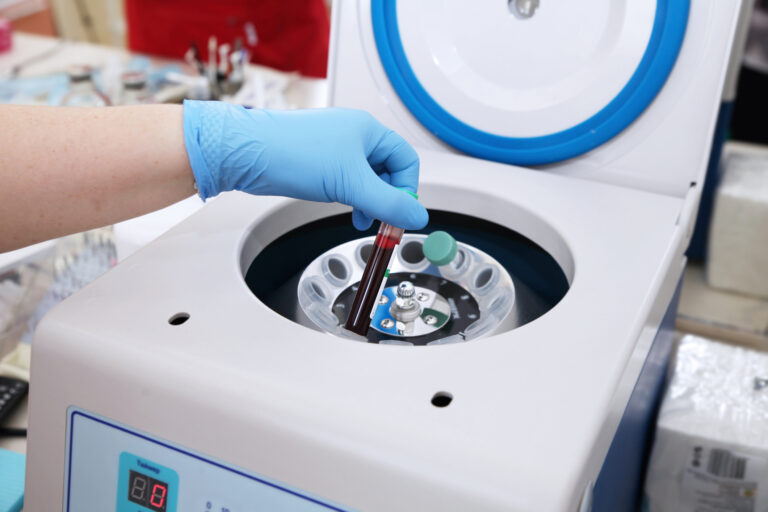
Platelet Rich Plasma (PRP) therapy is an advanced regenerative treatment that uses your body’s own healing power to accelerate recovery after dental procedures. By concentrating the natural growth factors found in your blood, we can help tissue heal faster and more effectively.
PRP therapy involves taking a small sample of your blood and processing it to concentrate the platelets, which are rich in natural growth factors. These growth factors play a crucial role in tissue repair and regeneration. When applied to treatment sites, PRP can enhance healing, reduce discomfort, and improve outcomes for a range of dental procedures.
Because PRP is derived from your own blood, there is minimal risk of adverse reactions or complications. The preparation process takes only a few minutes and can be completed while you are being prepared for your procedure.
Most patients are suitable candidates for PRP therapy. It is particularly beneficial for those undergoing implant placement, extractions, or bone grafting procedures. PRP can also be especially helpful for patients whose natural healing processes may be slower, such as older adults or those with certain health conditions.
During your consultation, our team will discuss whether PRP therapy would be beneficial for your specific treatment plan. We are always happy to answer any questions you may have about this advanced regenerative option.
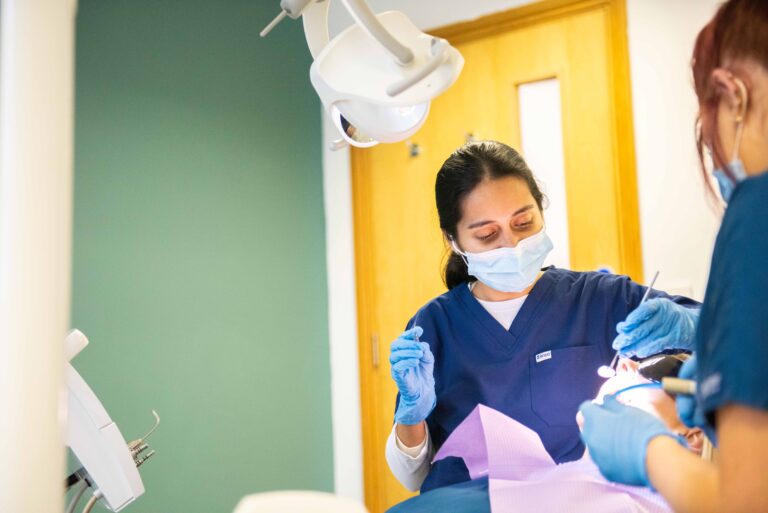
Botox therapy offers an effective solution for patients suffering from temporomandibular joint (TMJ) disorders and associated jaw tension. By relaxing the overworked muscles around the jaw, Botox can provide significant relief from pain, headaches, and discomfort that affect everyday activities like eating and speaking.
The temporomandibular joint connects your jawbone to your skull and is used constantly throughout the day for talking, eating, and swallowing. When this joint becomes stressed or the surrounding muscles are overworked, it can lead to a range of uncomfortable symptoms known as temporomandibular disorder (TMD).
Common symptoms of TMJ disorders include:
Botox works by temporarily relaxing the muscles into which it is injected. When applied to the jaw muscles, particularly the masseter muscle, it reduces the excessive tension that contributes to TMJ pain and discomfort. This relaxation can break the cycle of chronic muscle tension, allowing for relief from symptoms.
The treatment is especially helpful for patients who grind or clench their teeth, as it can reduce the intensity of these involuntary movements while you sleep or during periods of stress.
During your consultation, we will carefully examine your jaw, facial muscles, and discuss your symptoms to determine whether Botox therapy is appropriate for you. If treatment is recommended, small amounts of Botox will be injected into specific muscles around the jaw. The procedure itself takes only a few minutes.
Most patients begin to notice improvement within a few days, with full effects typically developing over one to two weeks. The results generally last between three and six months, after which follow-up treatments can be arranged if needed.
TMDs refer to a group of conditions affecting the temporomandibular joint (TMJ), which connects your jaw to your skull. These disorders can cause pain, discomfort, and dysfunction in the jaw muscles and joints.
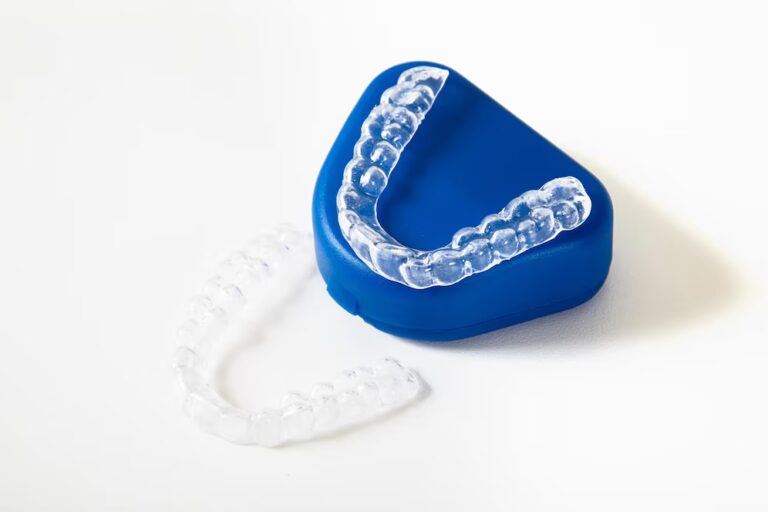
Nightguards, also known as occlusal splints or bite guards, are dental appliances worn at night to help manage TMD symptoms.
How Nightguards Help:
Reduce Teeth Grinding (Bruxism): Nightguards create a barrier between the upper and lower teeth, preventing excessive wear and tear.
Relieve Jaw Tension: They help distribute bite forces more evenly, reducing strain on the TMJ.
Prevent Tooth Damage: By minimizing direct contact between teeth, nightguards protect against enamel erosion and fractures.
Improve Jaw Alignment: Some nightguards can be designed to adjust jaw positioning and relieve pressure on the TMJ.
Soft Nightguards – Best for mild cases of bruxism or occasional clenching.
Hard Nightguards – Made from rigid acrylic, these are more durable and provide better jaw stabilization for severe TMD cases.
Dual-Layer Nightguards – A combination of soft inner material and hard outer shell, offering comfort and protection.
If you experience TMD symptoms, a custom-fitted nightguard from a dentist is usually the best option. Over-the-counter options are available but may not provide the same level of comfort or effectiveness.
At Regent Dental Care, our mission is to provide every patient with thoughtful, high-quality dental care in a calm and welcoming environment. We are dedicated to building trust, offering personalized treatments, and supporting your overall well-being through compassionate service and clinical excellence.