Flossing has a somewhat mixed reputation. Some people do it religiously and many others have quietly decided it is optional. So what do dentists actually think?
The answer is yes, flossing or an equivalent form of interdental cleaning genuinely matters. Not to make your routine more complicated, but because a toothbrush simply cannot reach the spaces between your teeth. No matter how well you brush, plaque builds up in those gaps and if it is not removed it leads to decay and gum disease in exactly those hard-to-reach spots.
The areas between your teeth account for a significant proportion of each tooth’s surface. Decay between teeth is one of the most common types we see and it is almost entirely preventable with regular interdental cleaning. Gum disease also tends to begin between the teeth and at the gumline. Bleeding gums when you floss is often an early sign of inflammation, a signal worth paying attention to rather than ignoring.
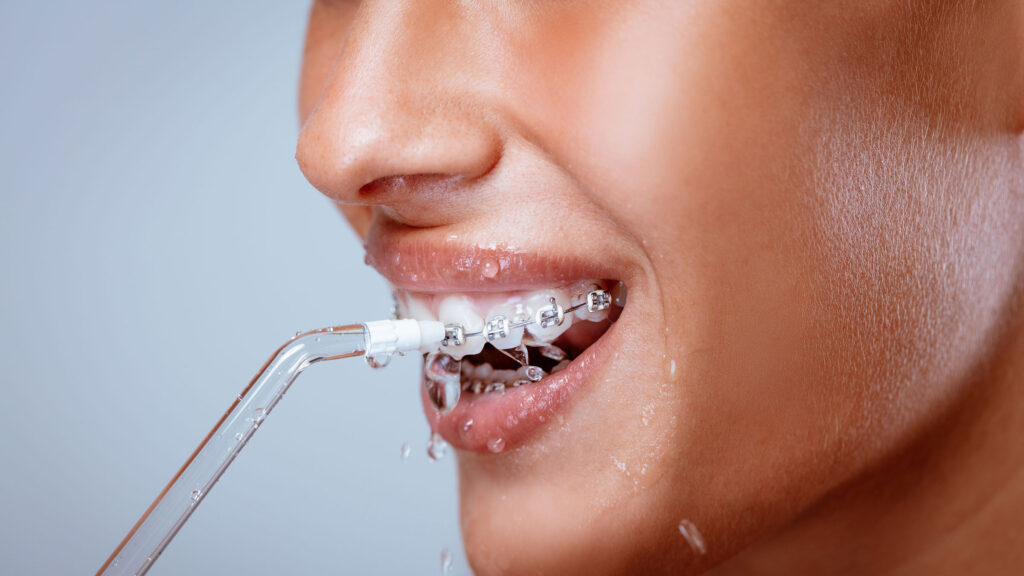
Traditional floss works well but it is not the only option. Interdental brushes, the small bottle-brush shaped tools that fit between teeth, are highly effective. Many dentists and hygienists actually prefer them. Water flossers can also be useful, particularly for people with bridges, implants or braces. The best option is whichever one you will actually use consistently. Our hygiene team can recommend the right tool for your specific teeth and gum situation.
Once a day is the recommendation. Many people find it easiest as part of their evening routine before brushing. A few minutes spent on this each day can make a significant difference to your long-term gum health. If you are new to flossing your gums may bleed a little initially. This is usually a sign of mild existing inflammation and should settle within a week or two. If bleeding persists it is worth mentioning at your next appointment.